
Natasha Roque Blog
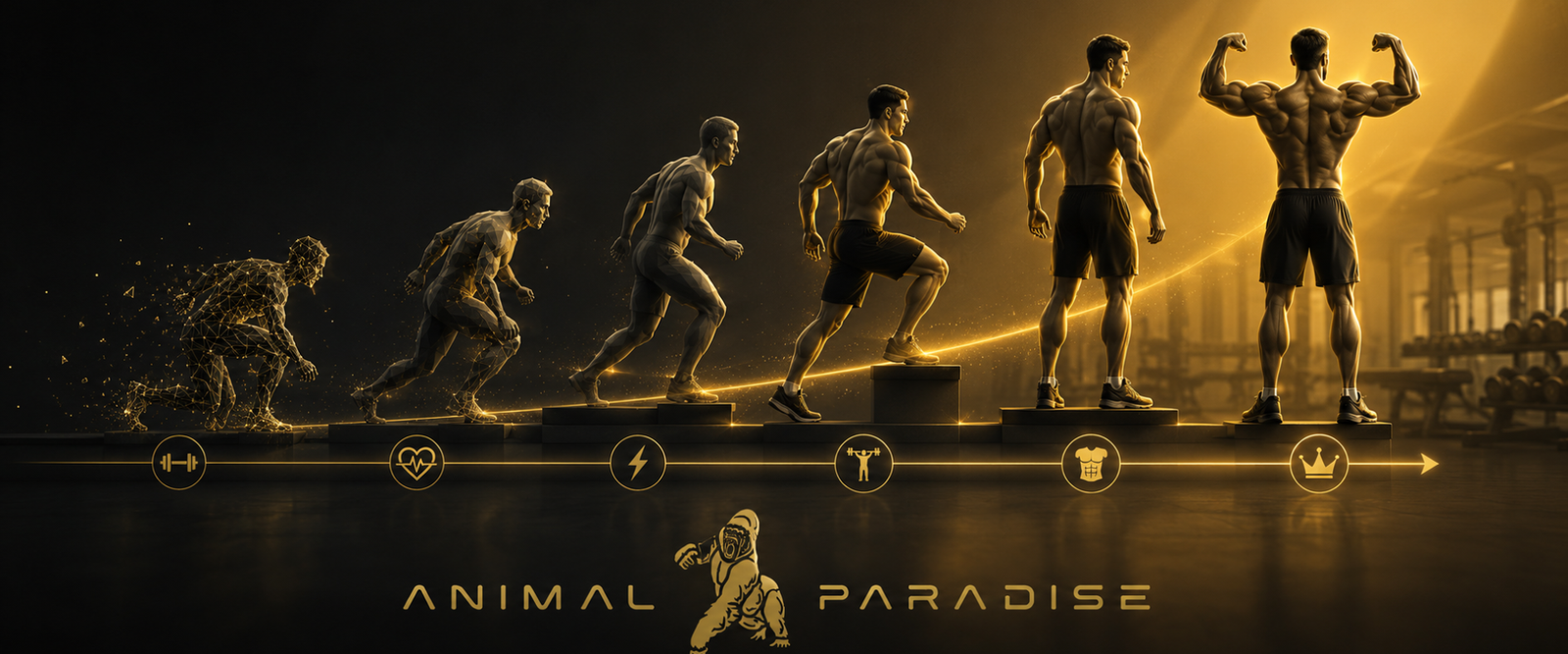
“I’ve been going to the gym for two weeks… why don’t I look any different?”
The truth is, your body starts adapting to exercise almost immediately, but those changes don’t all happen at the same time.
Some improvements happen in days, others take weeks.
The biggest physical transformations take months or years.
The problem is that most people are looking for the last change first.
But here’s what really happens after you start training consistently:
Week 1: You Won’t Look Different, but Your Body Already Is
After your first few workouts, the mirror probably won’t show much.
That doesn’t mean nothing is happening.
Your muscles are learning how to perform new movements, your nervous system is becoming more efficient, and your body is beginning the recovery process.
You may also notice something unexpected:
The workout that completely exhausted you on Monday suddenly feels a little easier by Friday.
That’s your body adapting.
Progress starts long before you can see it.
Weeks 2–4: You’ll Feel Results Before You See Them
They expect visible abs or bigger arms after a few weeks. Instead, something much more important is happening.
You might notice:
-
- You’re lifting heavier weights.
-
- You’re less out of breath training.
-
- You recover faster between sets.
-
- Daily activities feel easier.
-
- Your energy improves.
-
- Your mood is better.
These changes don’t always show up in photos, but they’re signs your body is moving in the right direction.
Around Weeks 4–8: Other People May Notice Before You Do
Here’s something that you have to keep in mind: You see yourself every day!
Your friends, coworkers, and family don’t.
Because your appearance changes gradually, you’re often the last person to notice them.
Someone might say, “Have you been working out?”, while you’re still convinced nothing has changed.
Take progress photos and track your measurements throughout the process. Seeing yourself every day makes it difficult to notice gradual changes. Regular photos and measurements give you an objective way to track your results and can help prevent unrealistic expectations and common body image distortions.
Your Mirror Can Be Misleading
Your reflection changes with:
-
- Lighting.
-
- Time of day.
-
- Hydration.
-
- Sodium intake.
-
- Carbohydrate intake.
-
- Sleep.
-
- Muscle pump after training.
That means looking in the mirror every morning isn’t always the best way to measure progress.
A better approach?
Take photos every four weeks under the same lighting and clothing.
You’ll notice changes that are impossible to see day by day.
Building Muscle Takes Longer Than Most People Think
One of the biggest misconceptions in fitness is that muscle appears quickly.
In reality, building muscle is a slow process.
Your workouts provide the stimulus.
Recovery, nutrition, sleep, and consistency determine how much muscle your body actually builds over time.
That’s why someone who trains consistently for one year often looks dramatically different from someone who trains intensely for one month.
The biggest transformations come from consistency, not the hardest workouts.
Fat Loss Doesn’t Always Show Up on the Scale
Another mistake? Only watching your weight.
If you’re new to strength training, you may lose body fat while gaining muscle at the same time.
The scale might barely move, while your clothes fit differently. Your shoulders look broader, and Your posture improves.
The number on the scale is only one measure of progress.
The Biggest Mistake: Expecting Too Much Too Soon
Social media has completely changed expectations.
You’re constantly seeing six-week transformations, dramatic before-and-after photos, and highlight reels.
What you don’t see are:
-
- The years of consistency.
-
- The workouts that weren’t Instagrammable.
-
- The times they had to start over.
-
- The years it took to build those physiques.
Real progress is usually slower, but it’s also much more sustainable.
So… How Long Does It Actually Take?
There’s no single answer because everyone’s starting point is different.
But for most people who train consistently:
The first week: you’ll feel the challenge.
Within a month: you’ll notice better strength, energy, and endurance.
Within two to three months: you’ll likely begin seeing visible physical changes.
Within six months to a year: your body can look dramatically different if you’ve stayed consistent with training, nutrition, and recovery.
STAY long enough for the results to catch up with your effor